
Home / Blog / Rheology Modifiers in Coatings Coating Additives Blog Rheology Modifiers in Coatings Explained: How They Control Flow and Viscosity Rheology modifiers in coatings play a crucial role in controlling viscosity, flow behavior, and stability of coating formulations. These additives help manufacturers maintain the right balance between coating application properties and storage stability. […]
Home / Blog / Carbon Black Dispersion Challenges Coating Additives Blog Carbon Black Dispersion Challenges in Industrial Coatings Carbon black dispersion in coatings is considered one of the most challenging tasks in coating formulation. Due to its extremely small particle size and strong tendency to form agglomerates, carbon black requires specialized dispersion techniques and additives. […]
Home / Blog / Why Foam Forms in Coatings Coating Additives Blog Why Foam Forms in Coatings and How Antifoam Additives Solve It Foam formation is a common challenge in coating manufacturing and application. During mixing, grinding, or application, air can become trapped inside the coating formulation. These air bubbles can cause surface defects, reduce […]
Home / Blog / Wetting vs Dispersing Agents in Coatings Coating Additives Blog Wetting vs Dispersing Agents in Coatings Explained Wetting vs dispersing agents in coatings is an important topic in pigment dispersion and coating formulation. Although these additives are often discussed together, they perform different functions. Wetting agents help the liquid coating medium spread […]

Home / Blog / Carbon Black Dispersion Challenges in Industrial Coatings Coating Additives Blog Carbon Black Dispersion Challenges in Industrial Coatings Carbon black is one of the most difficult pigments to disperse in coating systems. Its very high surface area, strong agglomeration tendency, and demanding stabilization requirements make it a major challenge in industrial formulations. […]

What Are Coating Additives? Types, Functions & Industrial Applications Coating additives are specialty chemicals used in paint and coating formulations to improve performance, processing behavior, and final film properties. Even though they are used in relatively small quantities, coating additives play a critical role in solving formulation challenges such as poor dispersion, foam formation, surface […]
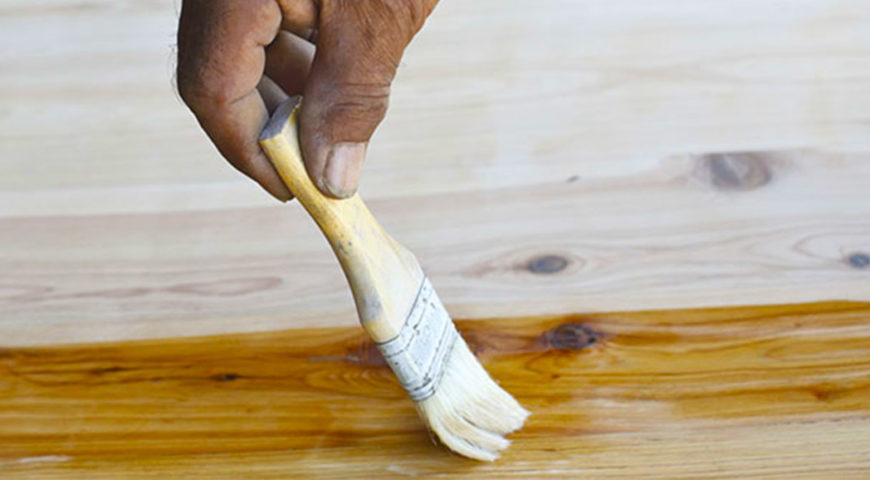
The wood used for furniture, flooring & other interior decoration is particularly susceptible to abrasion, scratches & general soiling, as well as water & chemical staining. To protect the sensitive substrate, wood coatings must serve as a strong barrier against external threats. Of course, they must also impart high gloss and other decorative touches.
Surfactants encompass a variety of compounds that are used in various ways. The ‘surface-active agents’ as the name implies, are the compounds used to alter surface phenomena. These chemicals will reduce tension & improve wetting & spreading (dispersants).
Normal water is the water which is easily available to us. It can be water which is provided by government/corporation or procured from wells, rivers, canals etc. This water contains many free salts & minerals like Ca(HCO3), CaSO4, MgSO4, CaC12, NaCl, SiO2, this can vary from source to source & place to place.
After having evaluated a range of extenders, it has been observed that some improvement in TiO2 utilization is possible, although the claims of 20 to 30% saving of TiO2 could not be fully substantiated when all the major paint properties were considered.
- 1
- 2