
Coating Manufacturing Guide How Coating Additives Improve Batch Consistency and Process Efficiency Consistent coating production depends on more than following the same recipe. Pigment wetting, milling, foam, rheology, raw-material variation and process conditions can all change how a batch behaves. The right coating additives can help make these variables easier to control and improve repeatability […]
UAE Coating Formulation Guide Choosing Paint Additives in UAE for Hot & Humid Conditions Selecting paint additives in UAE requires more than choosing products by additive category. Temperature, humidity, storage, application method, substrate and the complete coating formulation can affect pigment dispersion, foam, viscosity, adhesion and final surface performance. Regional Technical Guide Paint Additives in […]
Low-VOC & Waterborne Formulation Guide Waterborne Coating Additives for Low-VOC Systems: Key Formulation Considerations Waterborne coating additives help formulators control pigment dispersion, foam, rheology, wetting and surface appearance while developing lower-VOC coating systems. The challenge is maintaining these functions without creating instability, excessive foam, water sensitivity or loss of final film performance. Technical Guide Waterborne […]
Industrial Surface Performance Guide How to Improve Scratch, Slip and Mar Resistance in Industrial Coatings Scratch resistance, mar resistance and slip are related surface properties, but they describe different types of coating behavior. Improving them requires the right balance between binder strength, cure, surface additives, pigment loading and final-film compatibility. Technical Guide Industrial Coatings Surface […]
Rheology & Application Guide How to Prevent Sagging in Coatings Without Sacrificing Flow and Leveling Preventing sag is not simply a matter of making the coating thicker. A successful formulation must recover enough structure after application to resist gravity while remaining mobile long enough to level brush, roller or spray texture. Technical Guide Rheology Additives […]
Paint Formulation Troubleshooting Common Paint Formulation Problems and the Additives That Help Solve Them Foam, pigment settling, high viscosity, poor color development, craters, orange peel, sagging and adhesion failure can look like separate coating problems. In practice, each defect can have multiple root causes, which is why successful troubleshooting begins with diagnosis—not simply adding more […]
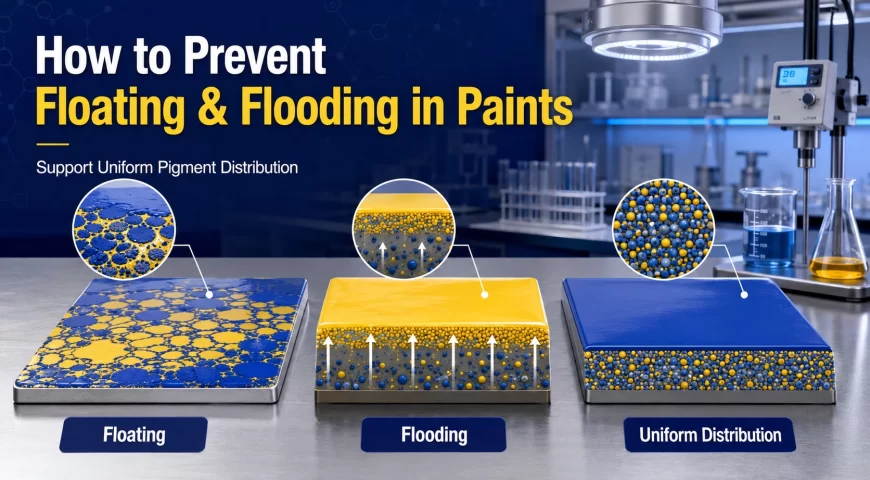
Pigment Stability Guide How to Prevent Floating and Flooding in Paints Floating and flooding are paint defects where pigments separate, migrate or appear unevenly distributed in the coating film. These issues can cause shade variation, patchy color, poor appearance and inconsistent batch performance. Suitable wetting, dispersing and pigment stabilization additives help reduce these problems. Request […]
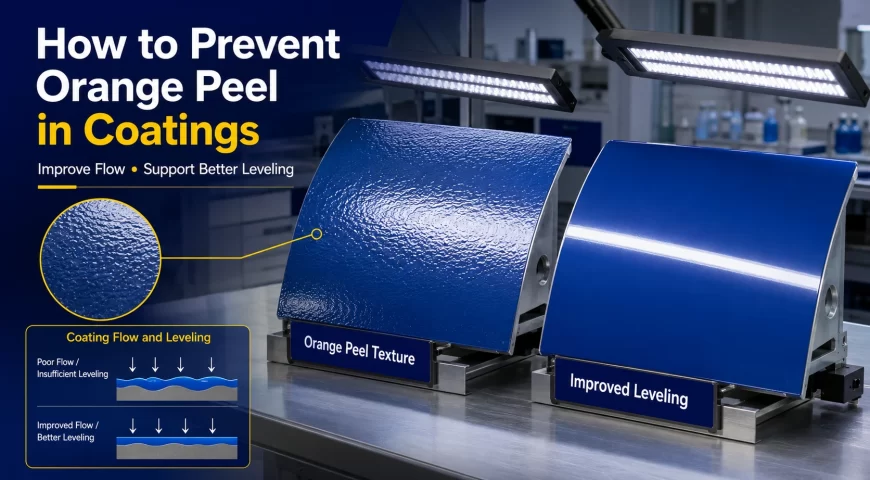
Coating Surface Defect Guide How to Prevent Orange Peel in Coatings Orange peel is a common coating surface defect where the dried film looks uneven, textured or similar to the surface of an orange. It can affect gloss, smoothness, appearance and perceived coating quality. The right flow and leveling additive, rheology balance and application control […]
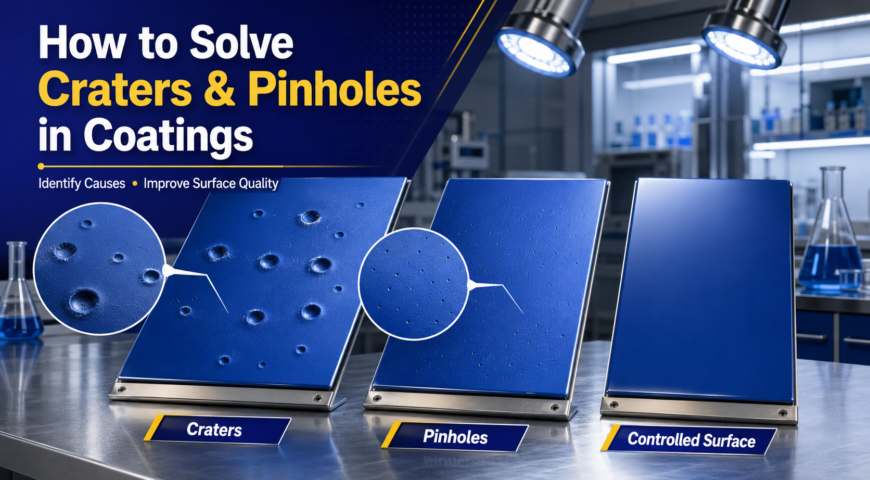
Coating Surface Defect Guide How to Solve Craters and Pinholes in Coatings Craters and pinholes are common coating surface defects that can affect appearance, protection, adhesion and film quality. These defects are often linked to foam, air entrapment, poor wetting, contamination, incorrect additive selection or poor surface flow. Request Additive Guidance Explore Antifoam Additives Overview […]
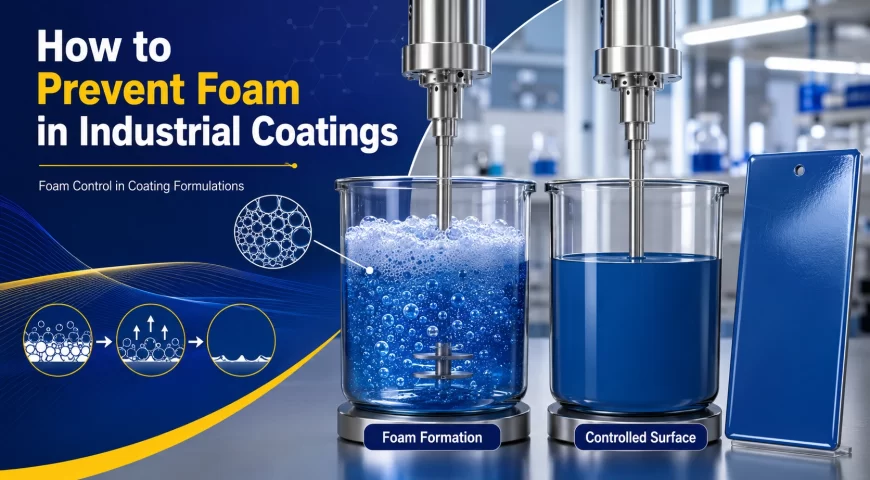
Industrial Coating Foam Control How to Prevent Foam in Industrial Coatings Foam in industrial coatings can cause poor surface finish, craters, pinholes, air entrapment, reduced film performance and production delays. The right antifoam or defoamer additive helps control foam during manufacturing, mixing, filling and application. Request Antifoam Guidance Explore Antifoam Additives Overview Why foam control […]