
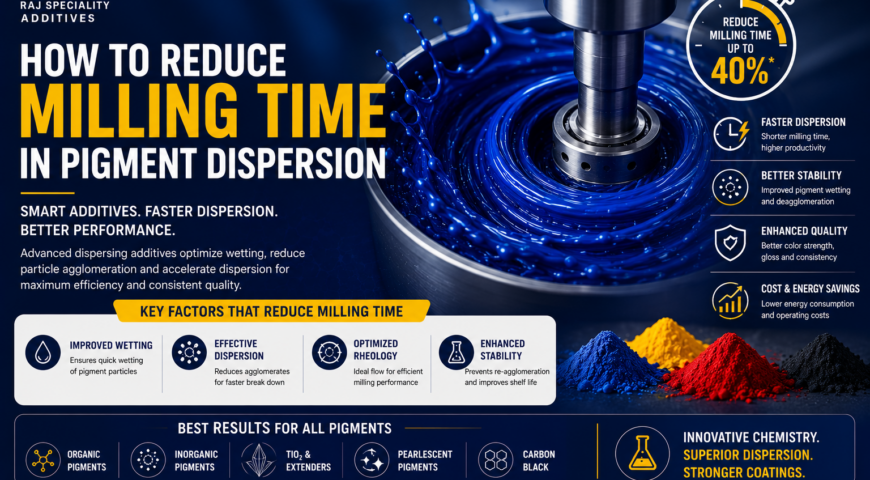
Pigment Dispersion Guide How to Reduce Milling Time in Pigment Dispersion Milling time is a major factor in pigment dispersion efficiency, production cost and batch consistency. The right dispersing additives and hyperdispersants can help improve pigment wetting, reduce mill base viscosity, speed up dispersion and support long-term stability. Request Product Guidance Explore Dispersing Additives Overview […]
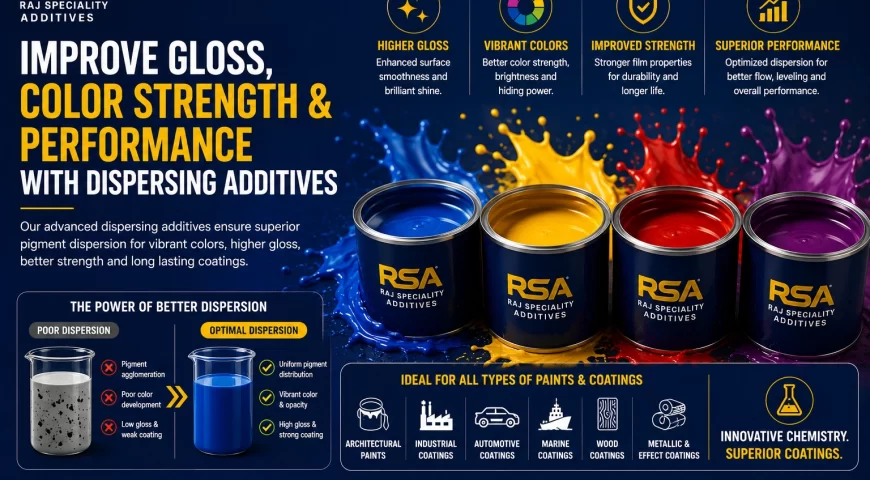
Pigment Dispersion Guide How to Improve Gloss and Color Strength in Paints Using Dispersing Additives Gloss and color strength in paints are strongly influenced by pigment wetting, particle separation, dispersion stability and formulation compatibility. The right dispersing additive helps pigments perform better and improves final paint appearance. Request Product Guidance Explore Wetting & Dispersing Agents […]
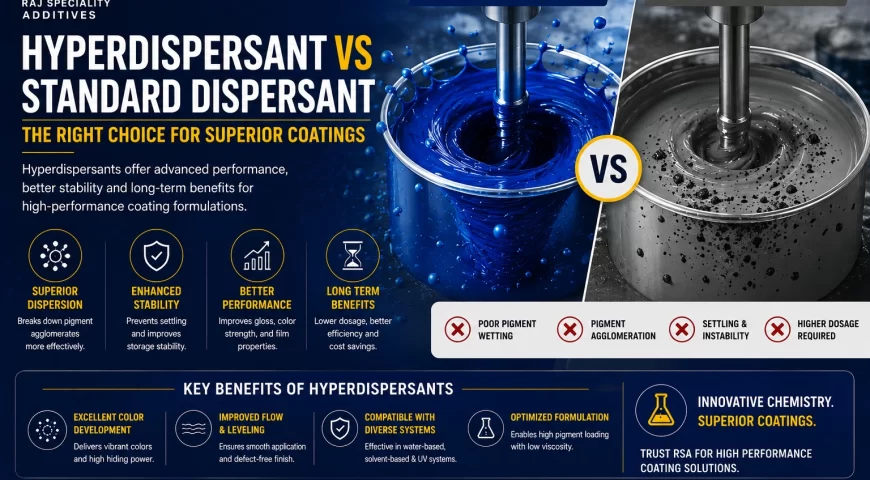
Hyperdispersant Guide Hyperdispersant vs Standard Dispersant: Which One Should You Use? Hyperdispersants and standard dispersing additives both support pigment dispersion, but they are not always used for the same formulation challenges. Choosing the right one depends on pigment difficulty, pigment loading, resin system, coating medium, grinding process and final stability requirement. Request Product Guidance Explore […]
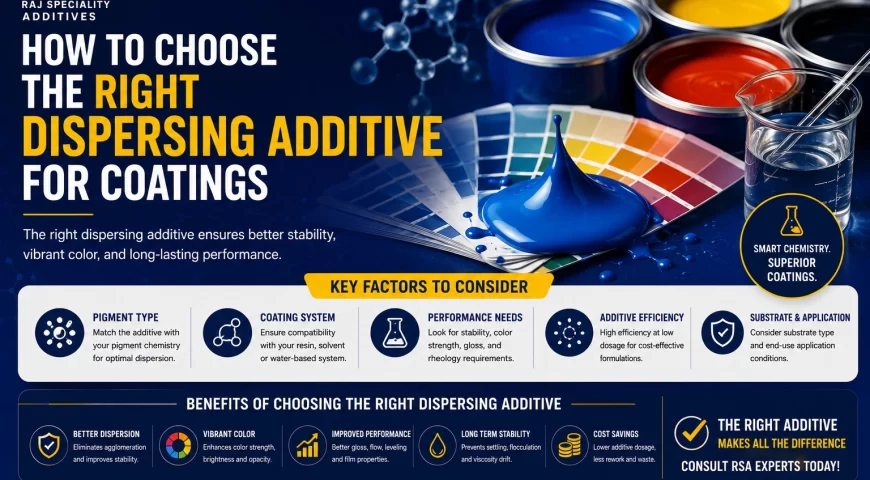
Dispersing Additive Guide How to Choose the Right Dispersing Additive for Coatings Choosing the right dispersing additive is important for pigment wetting, grinding efficiency, color strength, gloss, hiding, viscosity control and long-term coating stability. The correct choice depends on pigment type, resin system, coating medium and final performance requirement. Request Product Guidance Explore Dispersing Additives […]
Normal water is the water which is easily available to us. It can be water which is provided by government/corporation or procured from wells, rivers, canals etc. This water contains many free salts & minerals like Ca(HCO3), CaSO4, MgSO4, CaC12, NaCl, SiO2, this can vary from source to source & place to place.
After having evaluated a range of extenders, it has been observed that some improvement in TiO2 utilization is possible, although the claims of 20 to 30% saving of TiO2 could not be fully substantiated when all the major paint properties were considered.

The best paints won’t give value satisfaction if the job isn’t done right. Not doing it right invariably shows, sooner rather than later. But the blame is usually put on the quality of paint. To begin with, therefore, it’s best to watch out for painting defects and know how to solve them & educate the painter.


Vehicle is the phase in which pigment is dispersed, often a solution of binder, solvent and additives. Vehicle separation is a type of settling caused because of excessive wetting of the pigment. It is also called as soft settling. In this it is easy to re-disperse the settled particles back into the medium, only to settle again. Excessive wetting of the pigments can be because of:
- 1
- 2