
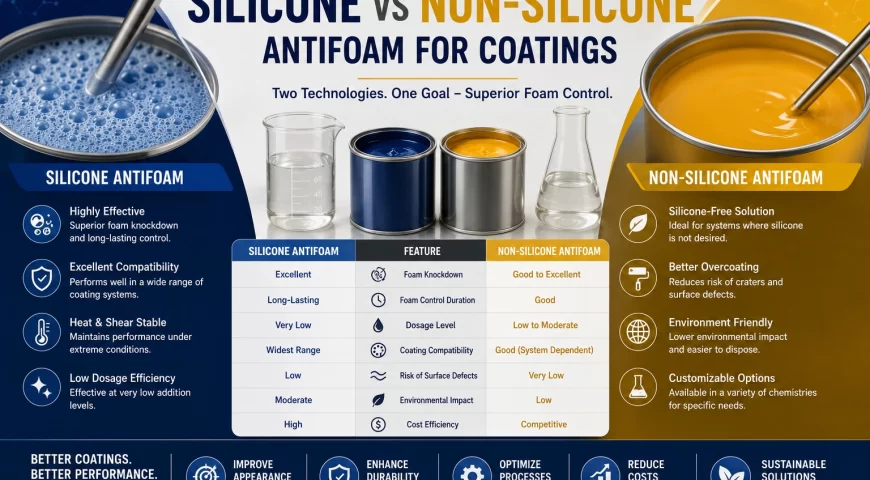
Industrial Foam Control Silicone vs Non-Silicone Antifoam for Industrial Coatings Choosing between silicone and non-silicone antifoam is an important decision in industrial coating formulation. The right foam control additive can reduce foam, microfoam, craters and pinholes without affecting gloss, leveling, recoating or surface appearance. Request Product Guidance Explore Antifoam for Coatings Overview Why antifoam selection […]
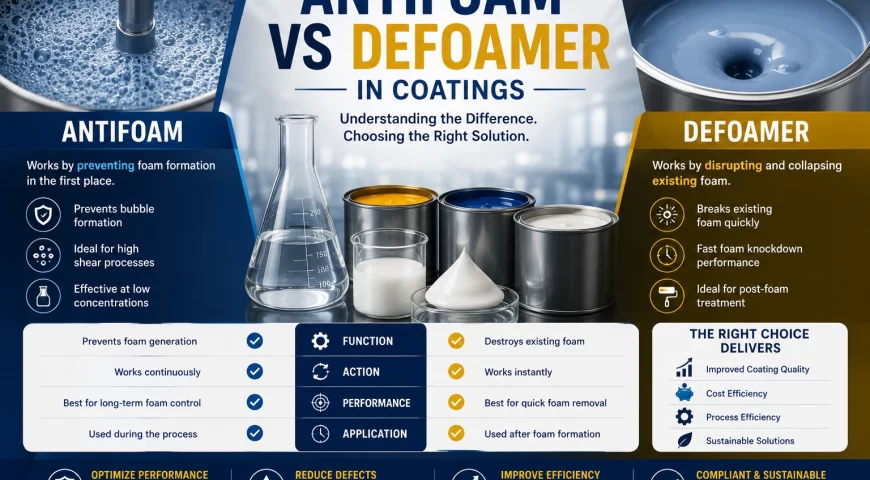
Foam Control Additives Antifoam vs Defoamer: What Is the Difference in Coatings? Foam is one of the most common formulation and application problems in paints and coatings. Understanding the difference between antifoam and defoamer additives helps coating manufacturers choose the right foam control solution for better surface finish, processing stability and coating quality. Request Product […]

Flow and Leveling Additives for Coatings Flow and Leveling Additives for Coatings: What They Are and Why They Matter Flow and leveling additives for coatings help improve wet film movement, surface smoothness, appearance, gloss, and defect control. They are especially important in industrial coatings, paints, and inks where surface finish and application consistency directly affect […]
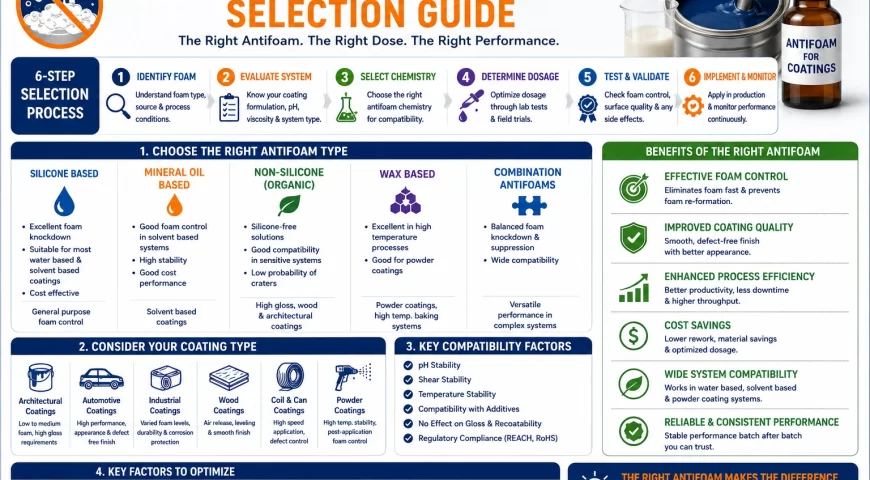
Antifoam for Coatings Antifoam for Coatings: How to Choose the Right One for Water-Based and Solvent-Based Systems Choosing the right antifoam for coatings is important for controlling foam during production, filling, storage, and application while maintaining surface finish, gloss, leveling, film stability, and overall coating performance. Discuss Your Foam Issue Explore Antifoam Additives Table of […]
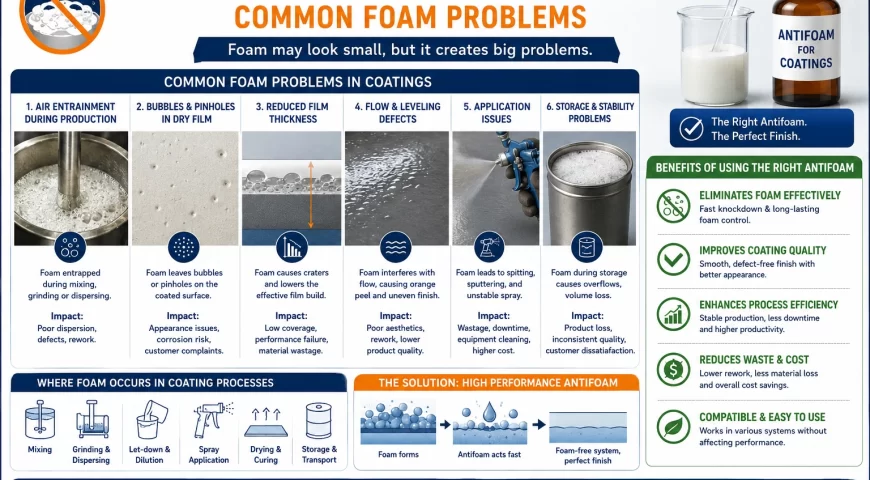
Antifoam for Industrial Coatings Common Foam Problems in Industrial Coatings and How Antifoam Additives Help Foam can affect industrial coating production, filling, application, appearance, and final film performance. The right antifoam for industrial coatings helps formulators manage foam at different stages without disturbing coating stability, flow, leveling, or surface finish. Discuss Foam Issues Explore Antifoam […]
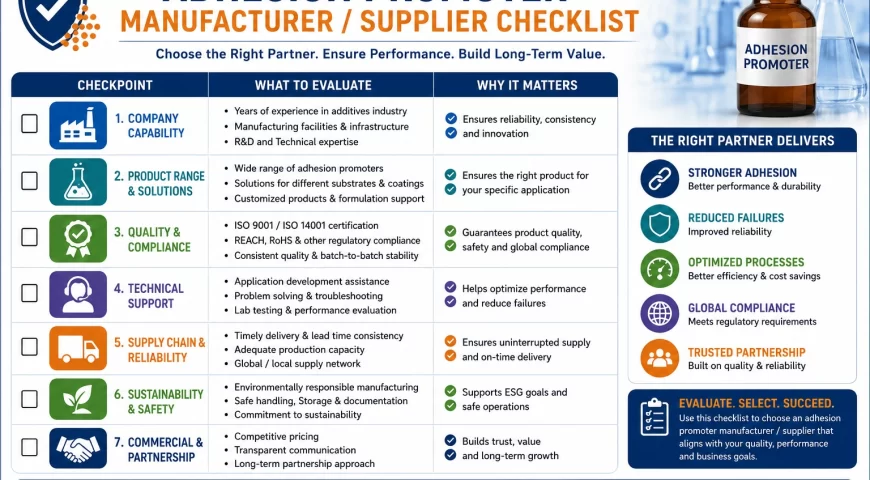
Adhesion Promoter Manufacturer Adhesion Promoter Manufacturer: What Paint and Coating Companies Should Evaluate Before Choosing a Supplier Choosing the right adhesion promoter manufacturer is important for paint, coating, and ink companies that need reliable additive support for difficult substrates, coating adhesion failure, film durability, and formulation consistency. Discuss Your Requirement Explore Adhesion Promoters Table of […]
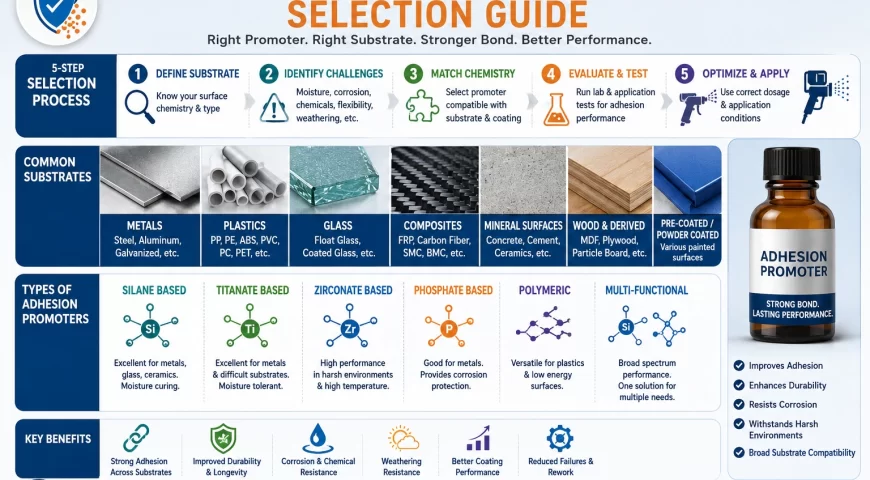
Adhesion Promoter for Coatings How to Select the Right Adhesion Promoter for Industrial Coatings Adhesion problems in industrial coatings often start at the interface between the coating film and the substrate. The right adhesion promoter can support better bonding, substrate wetting, film integrity, and long-term coating performance when selected according to the substrate, resin system, […]
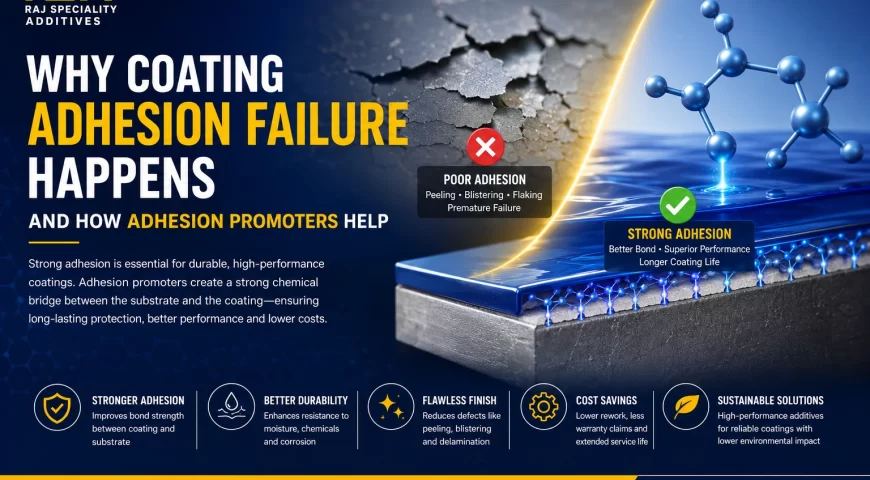
RSA Knowledge Center Why Coating Adhesion Failure Happens and How Adhesion Promoters Help Coating adhesion failure can lead to peeling, flaking, delamination, poor durability, and costly rework in industrial applications. This blog explains why adhesion problems happen, which factors influence coating-substrate bonding, and how an adhesion promoter for coatings helps improve adhesion performance in demanding […]
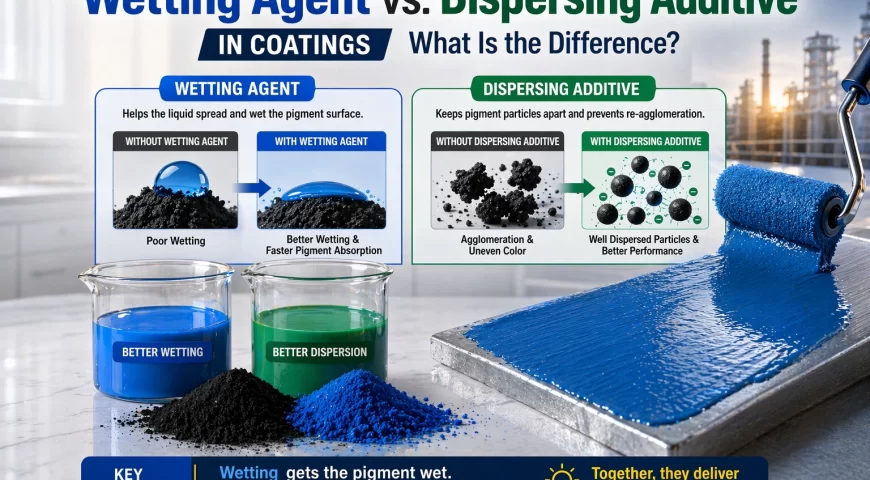
RSA Knowledge Center How to Select a Dispersing Additive for Industrial Coating Formulations Selecting the right dispersing additive for coatings is not only about improving grind efficiency. It is about achieving better pigment stabilization, colour development, gloss, viscosity balance, storage stability, and batch reproducibility. This blog explains the key factors formulators should evaluate when choosing […]
RSA Knowledge Center How to Select a Dispersing Additive for Industrial Coating Formulations Selecting the right dispersing additive for coatings is not only about improving grind efficiency. It is about achieving better pigment stabilization, colour development, gloss, viscosity balance, storage stability, and batch reproducibility. This blog explains the key factors formulators should evaluate when choosing […]